



Home \\ Our Work
Our Work
Why Partner with F4F?
Forests4Farming (F4F) demonstrates that farming can generate a truly positive balance when humans work in harmony with nature. By applying techniques that enhance the health, vitality, and productivity of crops and livestock, farmers can regenerate soils and support the greater living system we all depend on Pachamama, our Planet Earth.
At the heart of this transformation is knowledge. F4F promotes farming practices that build healthy soils, integrate forest ecosystems, and uplift smallholder livelihoods. Through syntropic agroforestry we help farmers and organizations restore land, boost productivity, and strengthen community resilience.
With decades of hands-on experience in forest-integrated farming systems, our team provides end-to-end support: tailored training (online and onsite), technical guidance in project design and implementation, and transparent monitoring and impact reporting. We equip partners with the tools and confidence to create thriving, resilient food forests.
Partner with Forests4Farming, because together we can:
- Restore degraded landscapes using proven syntropic agroforestry methods.
- Strengthen farming communities through farmer-centered training and support.
- Increase climate resilience and biodiversity at the landscape level.
- Build productive systems that benefit both people and nature.
- Bring hope, pride, and long-term ownership back to farmers.
- Generate measurable ecological and social impact for your organization.
Whether you're a producer organization, NGO, company, or foundation, partnering with F4F means contributing to a future where agriculture heals, regenerates, promotes and sustains life.
We are planting the future
Inspired by nature’s strategies, we develop systems that create synergies between plants, animals, and soil life, which in turn increase diversity, life, and complexity over time.
Forests4Farming supports farmers in reshaping their practices to be both life-sustaining and economically attractive, creating the social and cultural conditions for peace, embedded in a conscious economy approach.
This is the only way to ensure our basic need to eat in the future, because after all ‘Mangiare é um atto agricolo’ (Eating is an agricultural act).

Our Guiding Principle
Our work is inspired by the TAO: 15 Principles for Our Comprehension of Life , written by Ernst Götsch after more than 60 years of research and practical experience as a pioneering farmer. These principles build on ancestral wisdom and are enhanced by innovative methods tested across diverse ecosystems.
By applying these 15 principles, we cultivate farming systems where plants grow with exceptional health, vitality, and productivity. With every management cycle, our soils become richer, more alive, and more capable of supporting thriving food forests.
This approach also generates valuable resources:
- Pollarded biomass that enriches soils and provides firewood.
- High-quality timber from mature trees.
- A steadily increasing stock of carbon-rich organic matter.
- Soil regeneration, creating black soil.
The result is an overall positive energetic balance, where productivity, regeneration, and ecological health reinforce one another.
Conventional “agriculture” - rooted in the Latin agros, meaning a cleared or forestless field -has shaped landscapes for the past 12,000 years. It has too often replaced complex ecosystems with monocultures. Forests4Farming champions a different path: one where forests and farming work together, restoring the natural abundance that supports life.
It’s time to put this vision into action: FORESTS FOR FARMING!
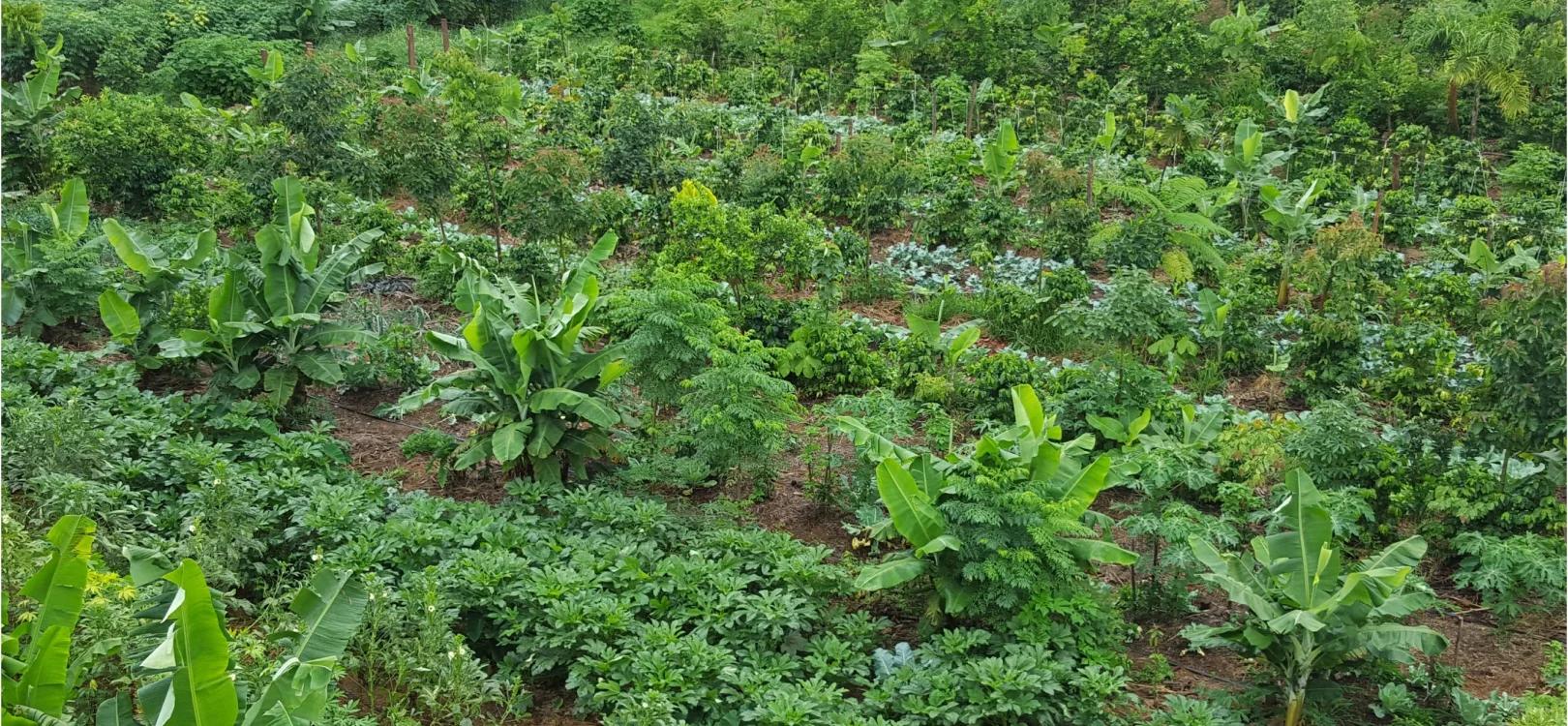
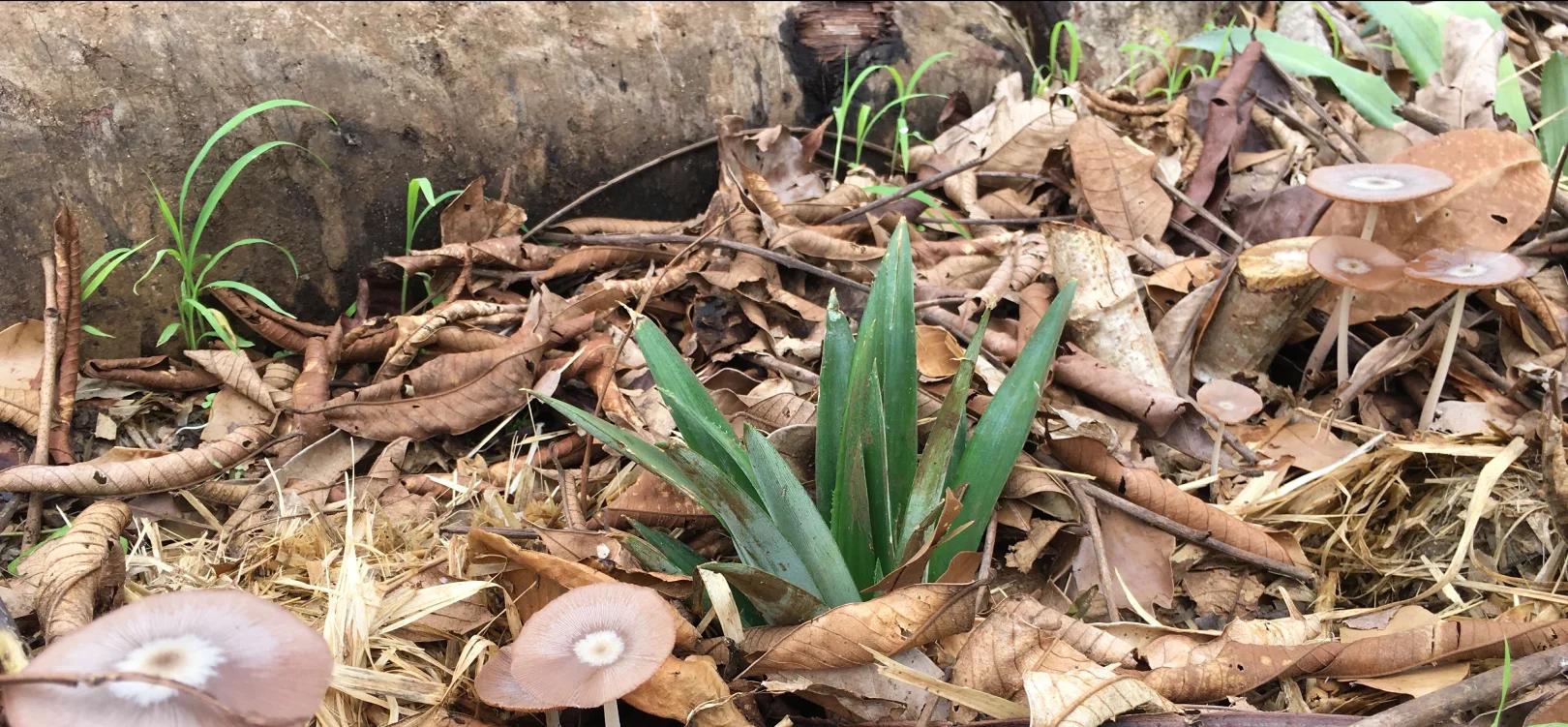
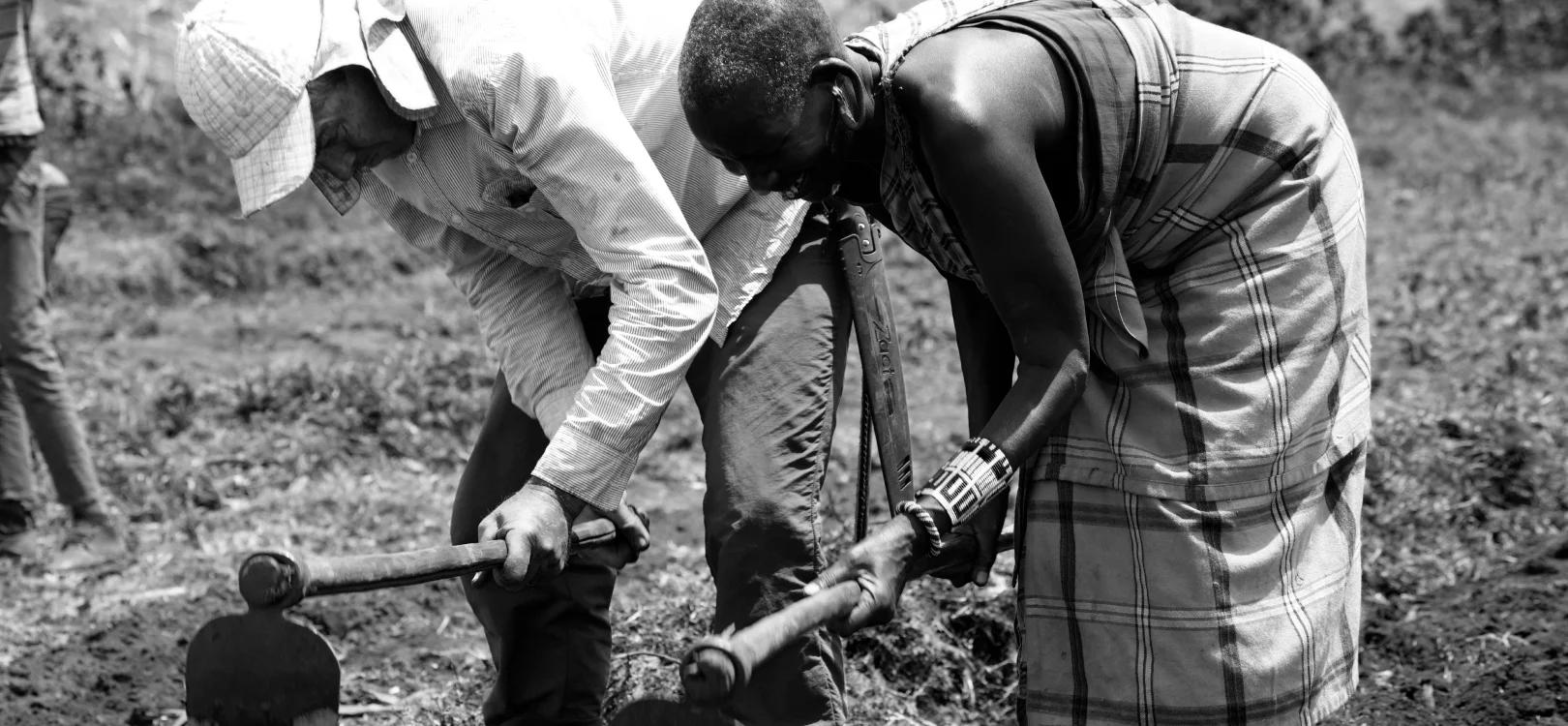
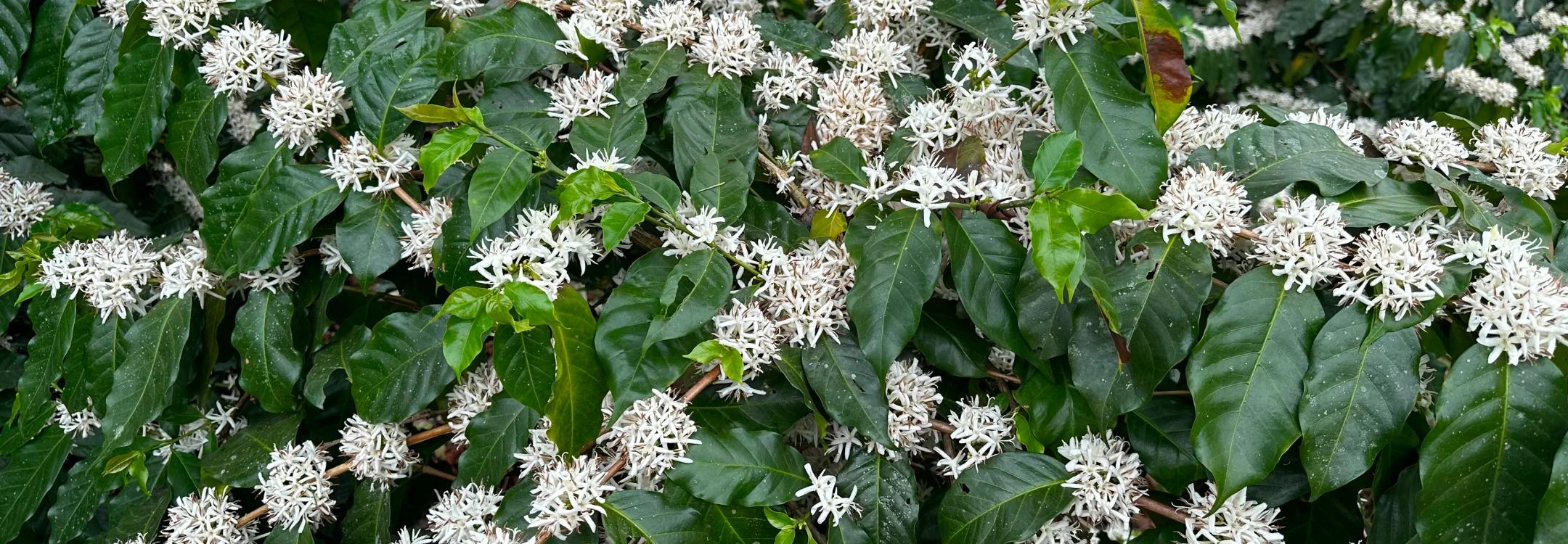

Syntropic agriculture: a technology refined over the past 4.5 billion Years
Our syntropic farming model is based on trees, because trees are the most efficient, effective, and inexpensive way to combat climate change and to restore degraded soils. The more trees are planted and actively managed, the more water is pumped from the atmosphere into the soil. Water is virtually planted as Ernst Götsch always emphasizes.
While annual herbs and grasses send only 20% to 40% of their energy absorbed by photosynthesis to their roots, trees can send as much as 70%. Half of this is released as exudates, nourishing and stimulating beneficial soil microorganisms. This means that the above-ground biomass represents only 30% of the total picture. Carbon captured through photosynthesis and sent to the root systems accounts for more than two-thirds of total carbon storage. If we’re going to tackle climate change effectively, we must incorporate trees.
Deep-rooted, fast-growing trees that respond well to annual pollarding and are easy to manage are fundamental to our syntropic tree-based farming concept. They have become known as “Mother Trees”, according to the creator of this concept, Ernst Götsch. These trees provide a huge amount of organic matter and information for vigorous growth to our fruit trees and annual and perennial crops.
Our “Mother Trees” deliver numerous benefits, including:
- A boost in photosynthetic activity year-round acting like a high-performance athlete;
- Large-scale carbon sequestration in both living biomass and soil;
- Covered and enriched soils;
- Rejuvenation and stimulation for powerful new growth of all plants after pollarding;
- Improved microclimate conditions on the site of intervention;
- Enhanced humus formation, which in turn promotes
- increased water retention;
- reduction in plowing and weeding requirements;
- flourishing beneficial soil life;
- increased availability of nutrients.
Together, these factors contribute to:
- Productivity increase of the whole system;
- Food security, ensuring farmers healthy, nutrient-rich products;
- Prevention of rural migration, enabling farmers to become true guardians of biodiversity;
- Elimination of the need for external fertilizers, pesticides, fungicides and herbicides;
- Creation of a strong ‘immune system’ in our crops through abundant organic material from pollarding, supporting vigorous health and productivity without disease or pest issues.
However, it is not enough to include a few trees. We need to plant them in high density, taking into consideration their different life cycles known as succession and the ideal light requirement for each tree species we include, also called stratification. These principles are part of a concept known as syntropic farming, which has been developed by the Swiss researcher and farmer, Ernst Götsch. Syntropic farming mimics nature, each time adding more life, complexity, and diversity to the system.
Strategic tree pruning and pollarding is the engine of the whole system, which keeps the soils covered year round, induces vigorous regrowth, feeds the soil fauna, and protects it from droughts, floods, wind, and erosion. Through syntropic agriculture, it is possible to produce truly sustainable fruits, nuts, vegetables, legumes, cereals, and raise livestock – not to mention the added benefits of timber, firewood, and fodder from the trees in the system.
When farmers implement syntropic agroforestry, the economic gains are very significant, because once the trees are established, powerful natural processes of nutrient mobilization and micro-life are activated, resulting in agriculture that does not depend on external inputs such as pesticides and chemical or organic fertilizers.
We created Forests4Farming to spread the syntropic agroforestry concept around the world in a simple and educational way, bringing abundance to farmers, water to lost springs, and food forests to degraded lands.
Our work focuses on three primary areas:
- Empowering producer organizations and companies.
- Building knowledge and skills.
- Advancing research and innovation.
We assist cooperatives and associations in implementing and managing syntropic agroforestry community projects on-site, and help companies develop syntropic agroforestry initiatives within their supply chains.
We train farmers, technicians and other interested stakeholders in the principles and techniques of syntropic farming through our free online F4F Academy.
We invest in research to generate reliable data on the economic and technical performance of syntropic systems, while exploring how to foster the essential shift in mindset from conventional agriculture to regenerative, syntropic practices.


