


When a dream becomes reality
In January 2026, a dream for many farmers in Pará became reality: Forests4Farming successfully brought Ernst Götsch, founder of syntropic farming, to the Brazilian Amazon for an intensive, hands-on workshop in Santa Bárbara, Pará.
Together with the Iandé Institute and Universidade Cabana, Forests4Farming organized a three-day field workshop on the farm of Jessica and Isaac (Sitio Agroflorestal Maturi), a site where a syntropic agroforestry demonstration plot had already been established one year earlier. This continuity allowed participants to observe both new system installation and management of existing systems.
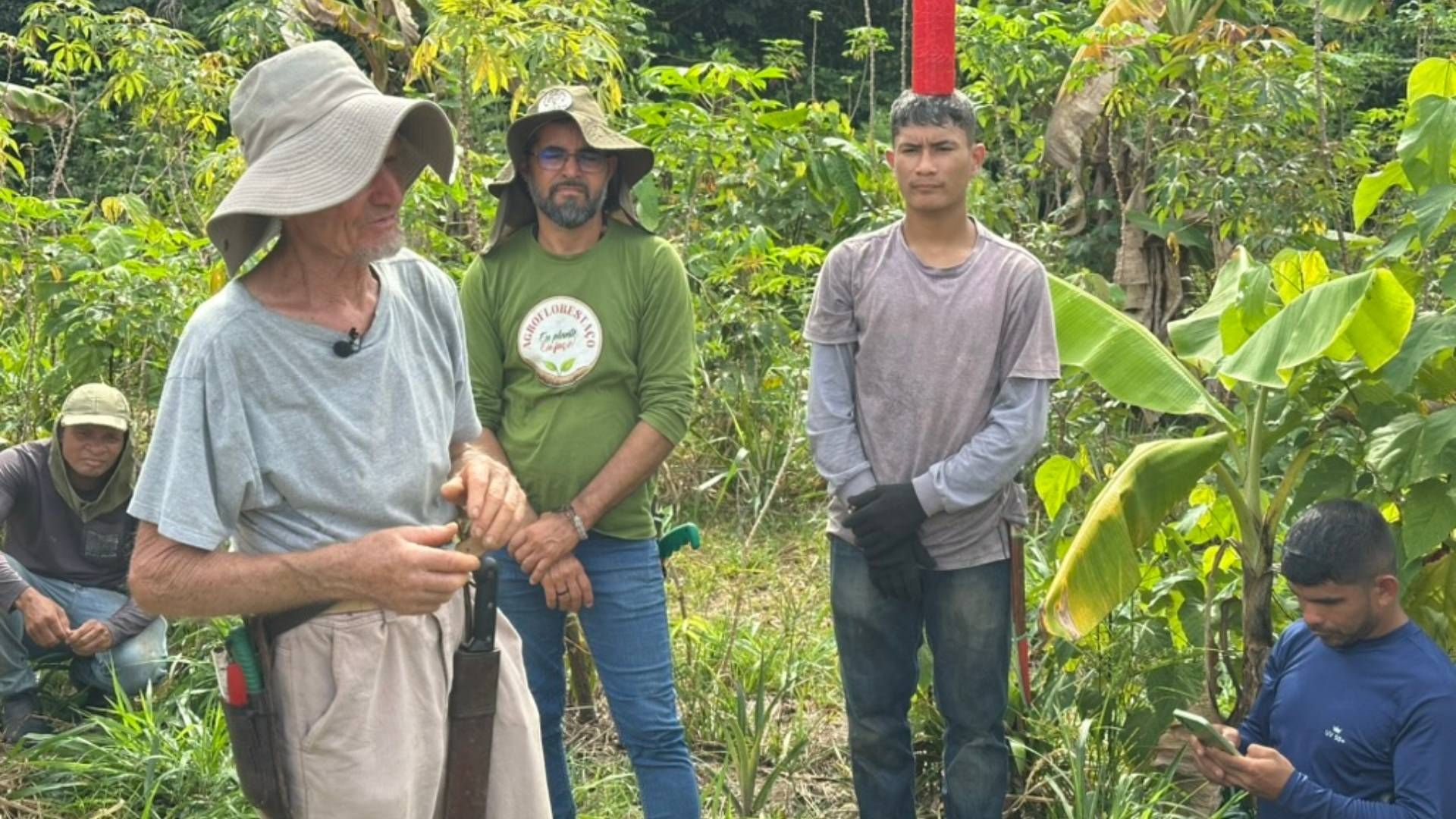
Photo 1: Deep concentration during Ernst Götsch’s talk: farmers listening closely, one even keeping perfect balance with a bottle on his head.
More than 40 farmers and technicians from across Pará took part, representing organizations such as CSA Iandé, Universidade Cabana, IVISAM, ASPRORTER, RAMA, and EFAS (Amapá). For most of them, it was a unique opportunity to learn directly from the pioneer of the syntropic agroforestry movement.
Why this workshop mattered
The Amazon region, once characterized by predictable rainfall patterns, is now facing increasingly irregular precipitation and prolonged dry periods, including a six-month drought in 2024.
These changes call for agroforestry systems that regenerate soil, build organic matter, retain water, and remain productive under climatic stress. The workshop therefore focused on:
- Designing climate-resilient food forest systems
- Understanding succession, stratification, and density
- Applying management techniques that strengthen systems over time
- Demonstrating early and long-term economic viability
Learning by doing: installing a syntropic agroforestry system with Ernst Götsch
Over two days, participants collectively installed a small demonstration plot (12 m × 9 m) within a young capoeira (~10 years old), an area of regenerating secondary vegetation on previously cultivated land. Every step - from land preparation to planting and mulching - was carried out directly in the field and explained in detail by Ernst Götsch.
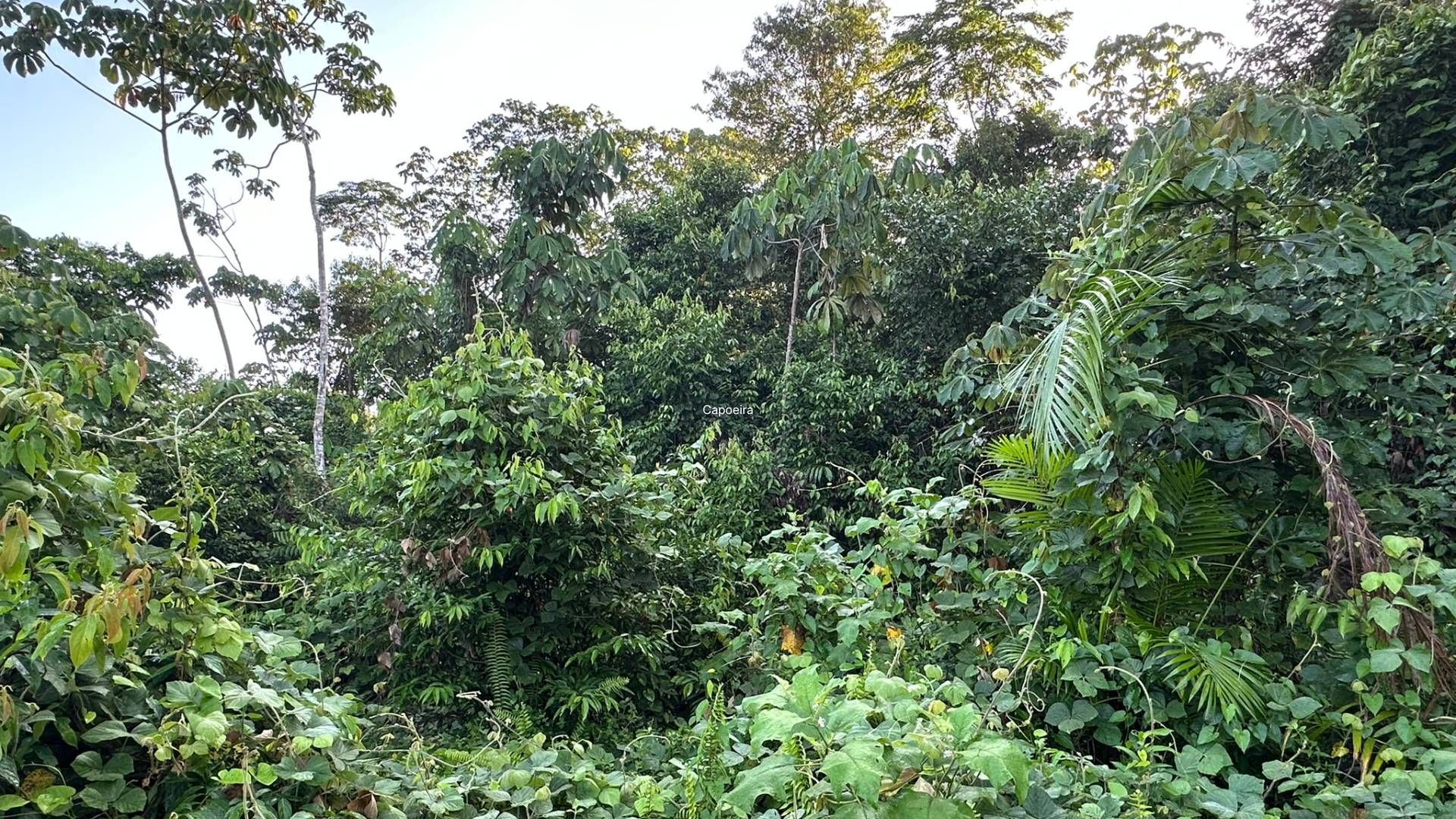
Photo 2: Impression of the “capoeira” before intervention.
In parallel, Ernst demonstrated management measures for existing syntropic systems, ranging from one to three years old, helping participants understand how systems evolve beyond the establishment phase.
Key steps during installation
- Selective cutting of capoeira vegetation, with woody material chopped and retained as biomass
- Layout of main tree rows and intermediate rows in a North–South orientation to optimize sunlight capture
- Soil loosening to a depth of 30–40 cm along all rows
- Planting of pineapple and cassava in all rows
- Strategic placement of tree trunks along row edges
- Covering of trunks with branches and leaves to build black soil
- Direct seeding of cacao, cupuaçu, açaí, cashew, legumes, and mother trees
- Covering of seeds with forest litter (serrapilheira)
- Planting of root crops and legumes between rows for soil cover and nutrition
- Planting of Tithonia diversifolia (Mexican sunflower) along row shoulders for rapid biomass production
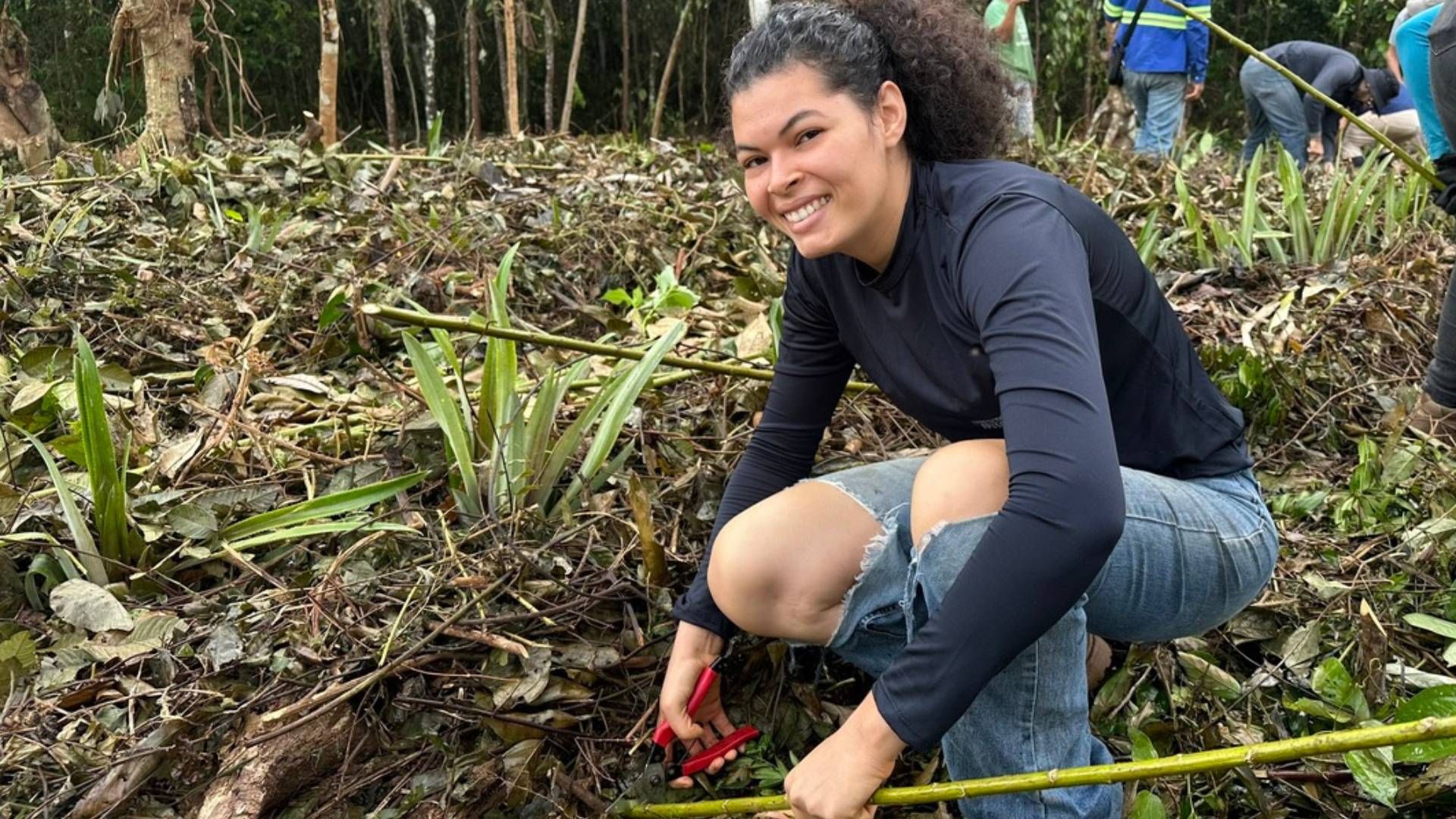
Photo 3: Victoria, agronomist student and daughter of Isaac and Jessica, planting Mexican sunflower during the workshop. Introducing young people to syntropic farming creates new perspectives and helps reduce migration to urban centers.
System design at a glance
- Plot size: 12 m × 9 m (108 m²)
- Row spacing: 3 m
- Orientation: North–South
- Main crops: cacao, pineapple, cassava, cupuaçu, açaí, cashew. Bananas and black pepper may be added in a subsequent phase, such as the second year.
- Support species: Vigna and Jack beans, Urucum (Bixa Orellana), Aria (Goeppertia allouia), mother trees
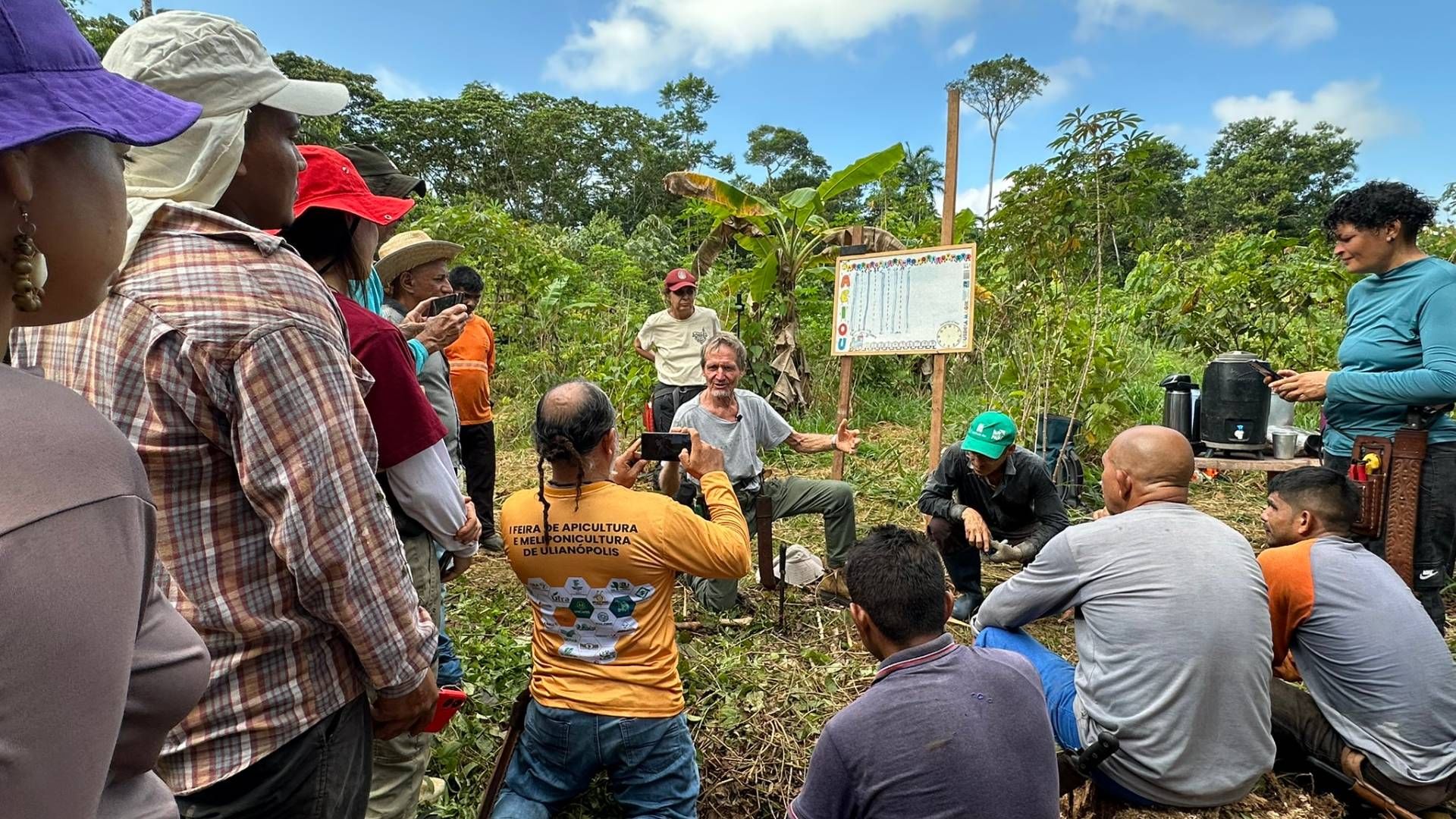
Photo 4: Ernst Götsch explaining the planting design and the step-by-step process to be followed during installation.
Mother trees: backbone of the system
Mother trees are a central element of syntropic agroforestry. They regulate shade and provide nutrients and water to our main cash crops (in this case cacao), regulate microclimates, generate large amounts of biomass, and guide system succession. These trees are annually pollarded and some of them thinned, with canopy cover usually reduced by 85 to 95% at the very end of the dry/start of the rainy season.
The following mother tree species were used and/or recommended during the workshop, based on their ecological function and regional suitability. Some species marked with an asterisk (*) function primarily as nurse trees, rather than as long-term mother trees. These nurse trees support the healthy development of the actual mother trees and productive species, and are managed through pruning or gradual removal as the system advances in succession.
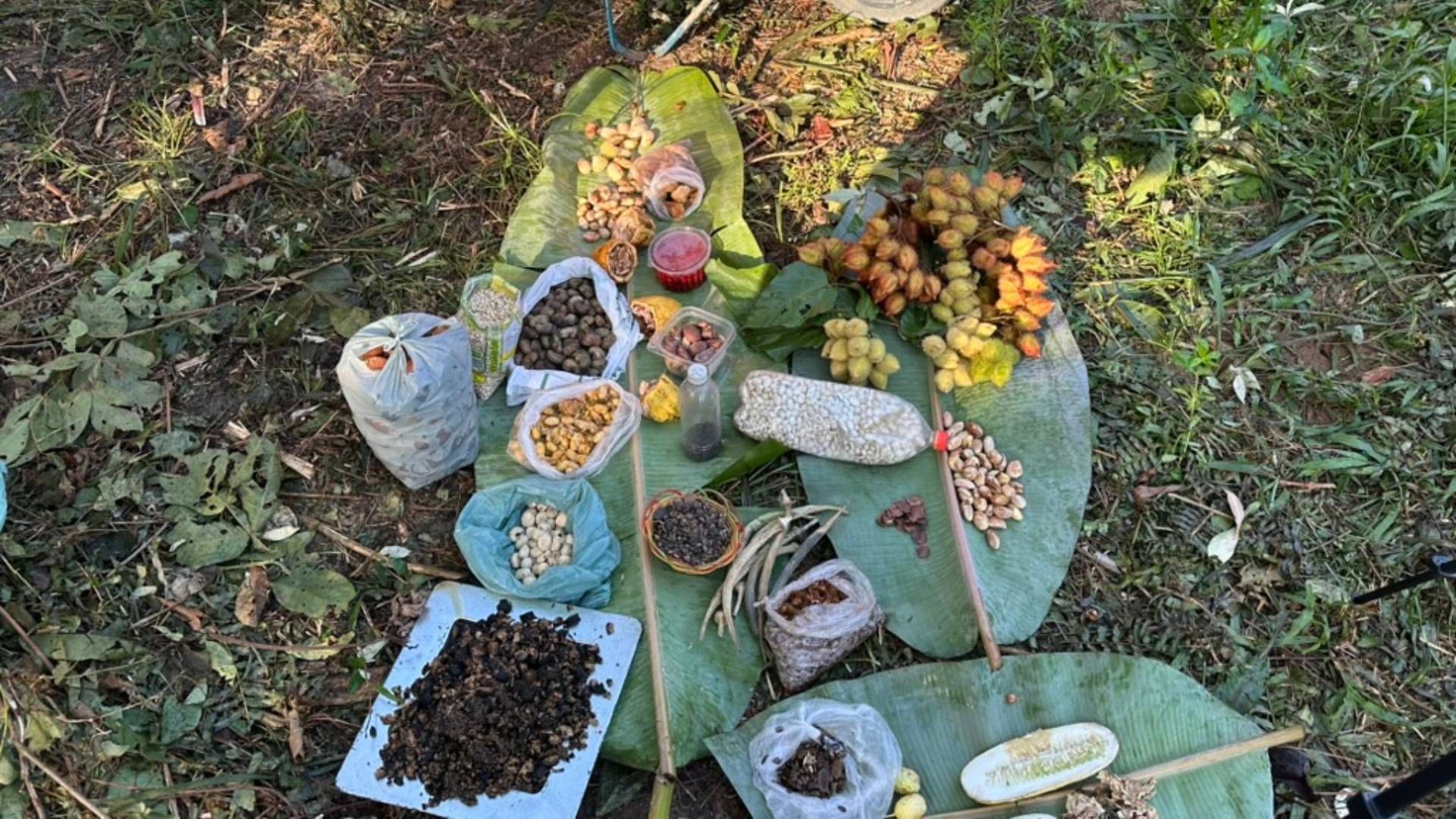
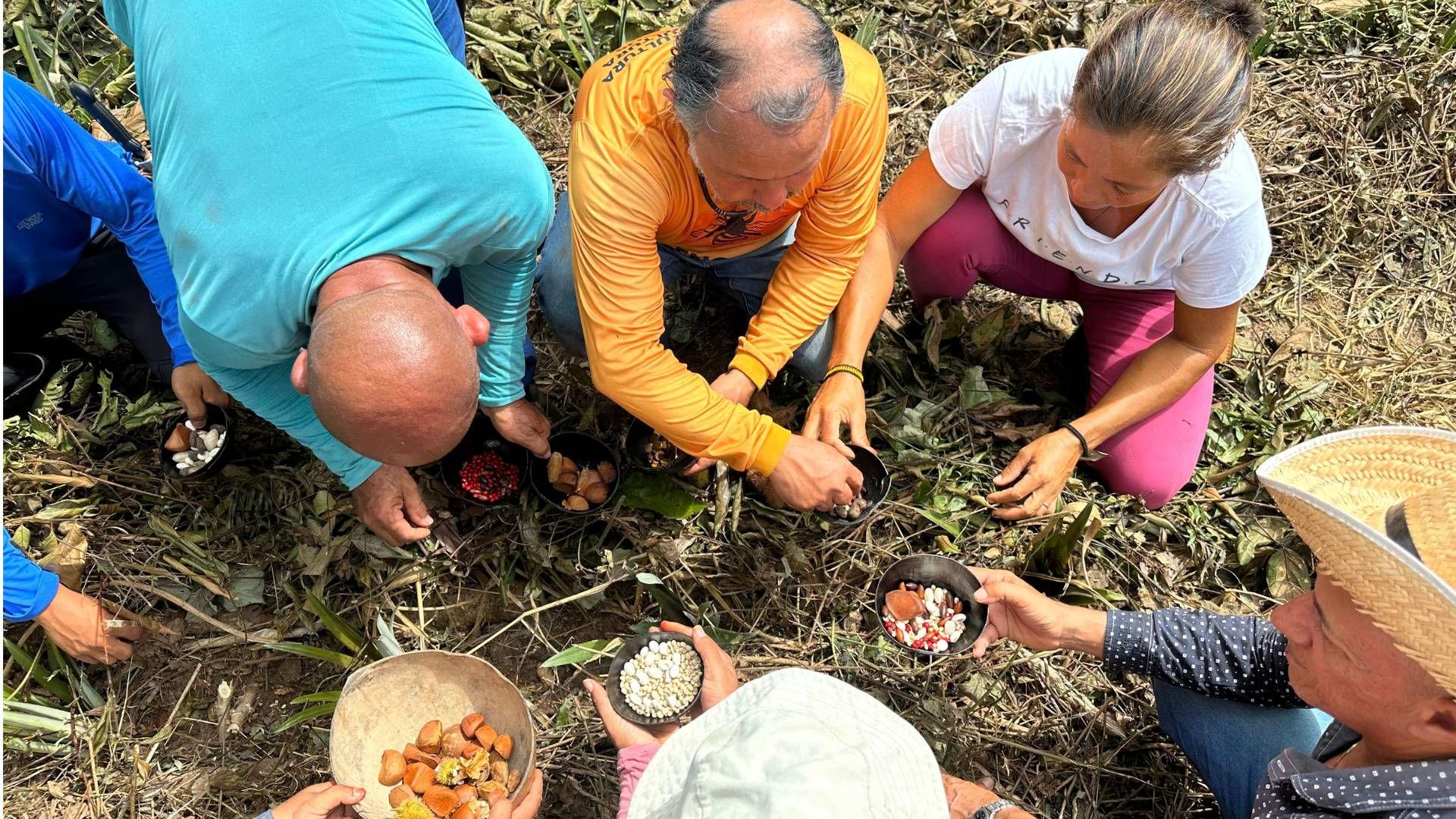
Photo 5: A diverse seed mix including different mother trees, cash crops, and legumes.
Management over time: from days to years
A major highlight of the workshop was the clear management roadmap shared by Ernst Götsch for the first few years, covering germination checks, pruning cycles, harvest timing, and long-term system evolution.
The First Weeks: Establishing Life (Day 0 – Week 3)
The first weeks are about listening to the soil. Fast-growing species act as indicators of vitality and help create immediate ground cover.
Within the first days, germination is carefully observed:
- Beans emerge after 4–5 days
- Urucum follows after 6–7 days
- Cassava establishes after around 10 days
If any of these species fail to germinate significantly within the specified time, they are replanted immediately. Early gaps weaken the system and delay succession.
By 15 days, deeper-rooted and long-term species begin to show themselves. Mango roots establish, and trees such as Tento Carolina (Adenanthera pavonina), Guapuruvu, cacao, and other forest species germinate. Tithonia is also checked at this stage. Any missing plants are replanted no later than the third week to preserve density and structure.
Early Management: Guiding Relationships (Week 3 – Month 1)
After three weeks, the system starts interacting more intensively. Management at this stage focuses on relationships, not removal.
Selective weeding takes place around after 3 weeks, removing only undesired plants while keeping beneficial plants that protect the soil.
At the same time, Tithonia begins to play its role as a biomass generator. Planted at a slight 15-degree angle, it germinates more easily and resists accidental damage. After four weeks, a shallow cut is made to prevent excessive shading of beans. This pruning is repeated every four weeks, creating a rhythm that feeds the soil while maintaining balance.
Fast Cycles and First Harvests (Months 2 – 3)
By around 2.5 months, the first harvest arrives:
- Vigna (Fradinho beans) are harvested for food and seed
Other legumes continue contributing to the system. Jack bean (Canavalia ensiformis) flowers around the same time and undergoes two prunings during its cycle. The first pruning is performed when the plant has developed its first trifoliate leaf, and the second pruning is done during flowering, when nutrient circulation is at its peak. After the second pruning, the plant flowers again approximately two months later, producing additional biomass and fixing nitrogen for the soil.
Some plants are chosen for both yield and system balance. Aria roots provide food and income, while Jack bean supports soil fertility; planted together, they grow well in the same space and reinforce each other’s role in the system.
Year Two: Shaping Structure and Light
The second year marks a shift from establishment to architectural management.
Cassava and pineapple reach maturity. Pineapple signals its preparation for flowering when its leaves begin to turn slightly red. At this moment, pruning any trees and plants like Cassava that cover or shade the pineapple becomes essential to reduce shading and promote flowering and fruit development.
Pruning now follows strict stratification rules:
- Urucum remains in the low to medium layer
- Inga occupies the higher layer
- Guapuruvu forms the emergent layer
Trees are never pruned below their intended stratum. This preserves order, accelerates growth, and prevents competition.
Trees such as Inga and Embaúba (Cecropia spp.) that had been cut at around 1–1.5 meters, are managed carefully: the upper resprout is removed, while the lower resprout is maintained. This allows them to grow alongside the young plantation rather than overpower it.
Pineapple Succession and Banana Introduction
The first pineapple harvest is commercial. The second is usually not.
If pineapples are not needed as planting material, they are removed after the first harvest and used as organic matter. Pineapple plants produce large amounts of biomass, feeding the soil for the next cycle.
After pineapple removal — usually 15 to 18 months after planting — bananas are introduced. In Pará, this typically happens between November and December, with planting occurring in the second or third year, depending on the vigor of the system.
Year Three: Perennials Take the Lead
By the third year, long-term crops begin to dominate.
Cashew starts producing and must be managed carefully. It is lifted through pruning so that it stays above the cacao canopy. Traditional cashew varieties (6–8 meters tall) are preferred over dwarf types, as cashew serves as an excellent mother tree for cacao, providing shade, protection, and improved microclimate.
At this stage:
- Cacao begins producing in year 3 or 4
- Açaí also enters its first productive phase
The system now shifts from annual yields to perennial abundance.
Years Four to Five: Thinning and Maturit
As the system matures, less becomes more.
Around year four or five, thinning begins. Approximately every second mother tree is removed, gradually reducing density and allowing remaining trees to fully express their potential. Ernst Götsch often begins with very high planting densities and reduces them step by step.
Cashew trees are usually removed between years four and five, once cacao is fully established and independent.
A Living Philosophy
This project is not managed against nature, but with time as an ally. Each intervention prepares the conditions for the next stage, accelerating natural succession and increasing life, fertility, and resilience.
As the saying attributed to Martin Luther goes:
“If I knew I would die tomorrow, I would still plant a tree today.”
This system does exactly that — planting not just trees, but a future.
Economic potential
This projErnst Götsch also highlighted the economic viability of syntropic systems. Even when considering pineapple alone, the system demonstrates strong income potential:
- Approximately 16,667 pineapples per ha
- Conversion ratio of 10:1 (fresh to dried)
- Around 1.5 tons of dried pineapple
- Estimated value of ≈ R$ 300,000 (€ 50,000 assuming an exchange rate of 1 € = 6 R$)
This calculation does not yet include additional income from cassava, cacao, cupuaçu, cashew, açaí, banana, timber species or even black pepper planted within the system, using living trees as tutors!
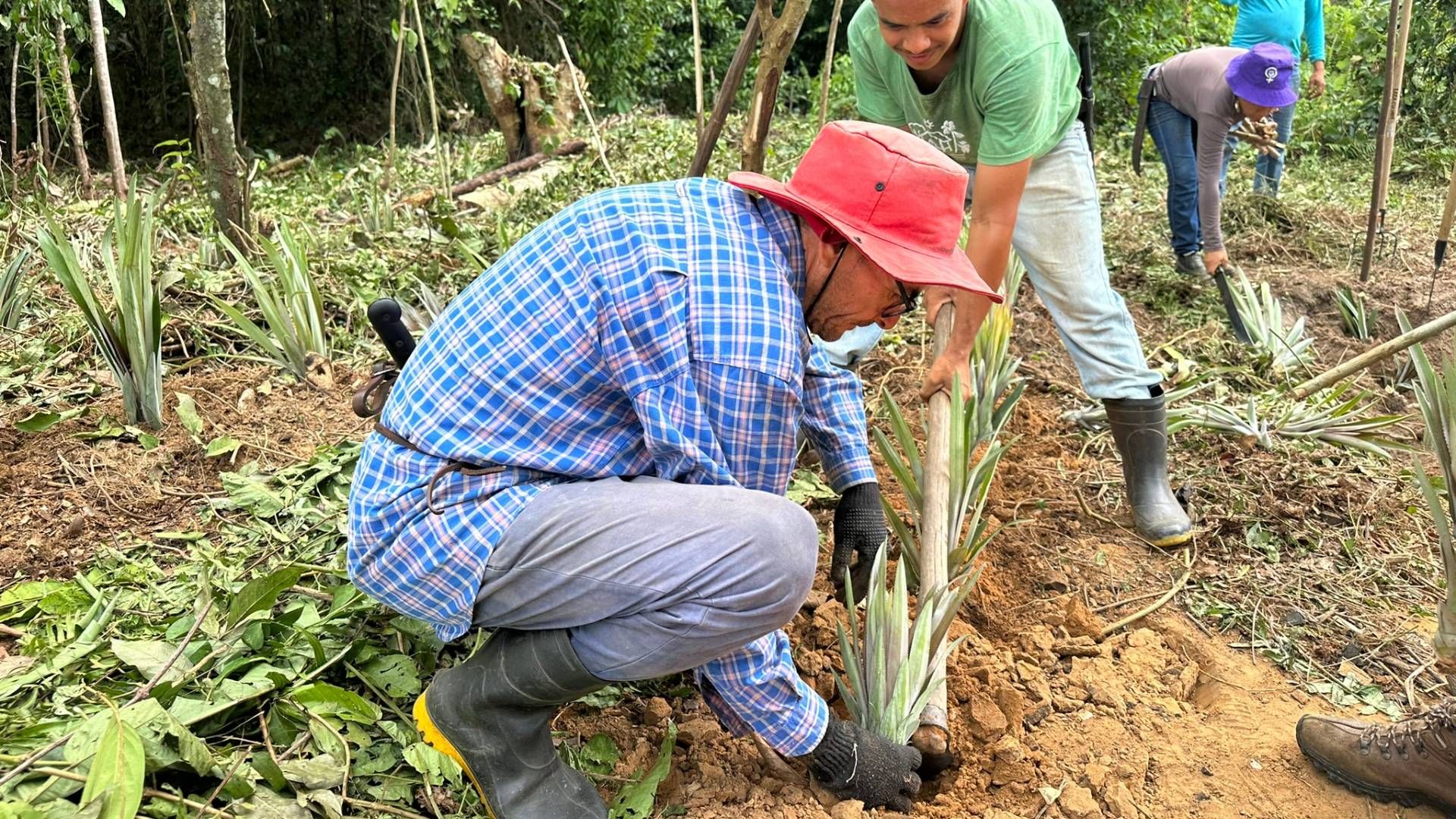
Photo 6: Isaac planting pineapple with a young farmer in a syntropic agroforestry system, introducing an early-yielding crop with strong economic potential from year two.
A living system and a lasting impact
The demonstration plot established in Santa Bárbara now functions as a living classroom, continuously evolving and generating knowledge. It stands as practical proof that productive agriculture and ecosystem regeneration can go hand in hand, even under increasingly challenging climatic conditions.
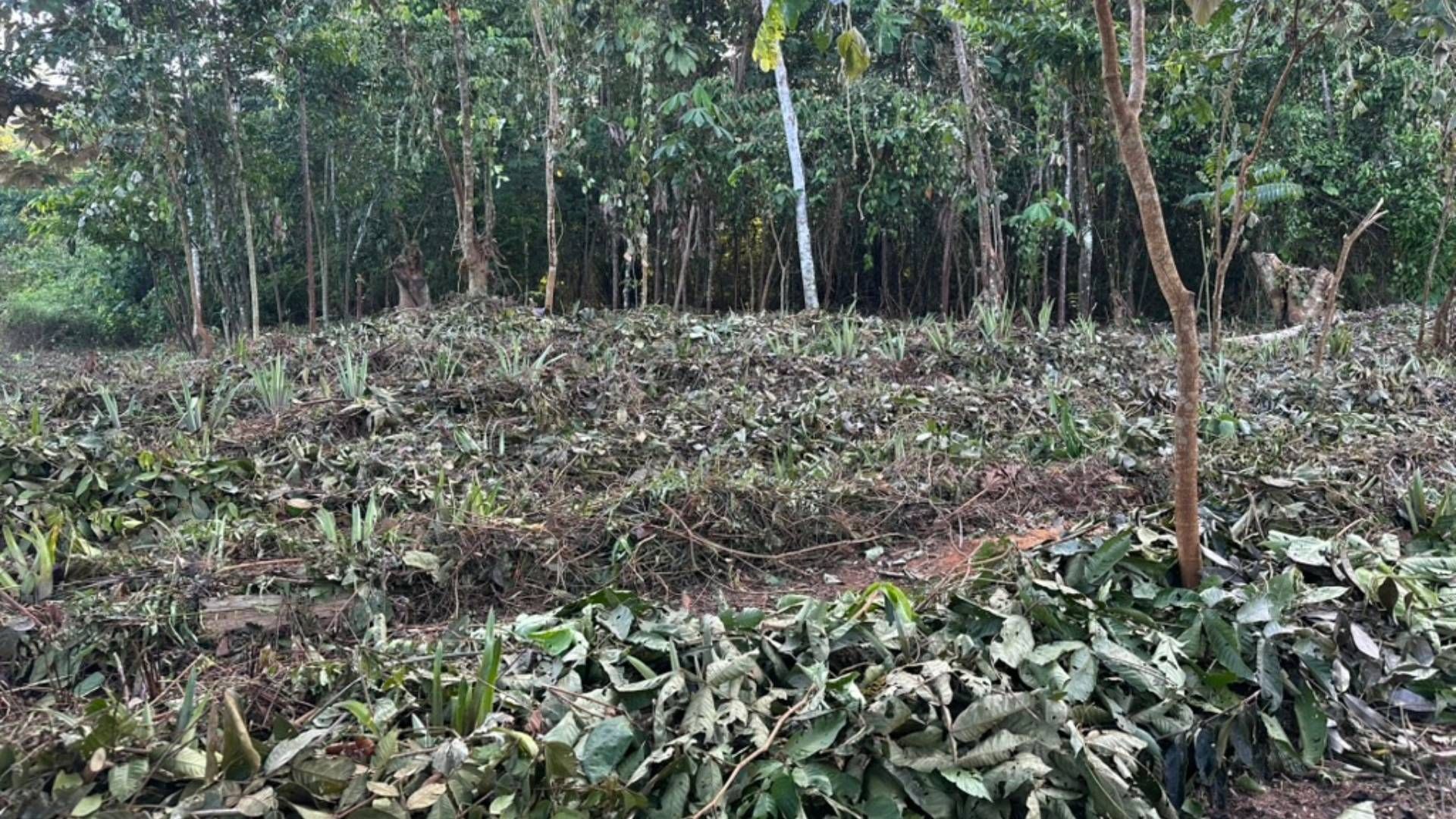
Photo 7: Finalised demonstration plot before cutting back Inga and Embaúba.
For Forests4Farming, this workshop marked a major milestone—bringing together knowledge, practice, and people to strengthen agroforestry systems in the Amazon and beyond.
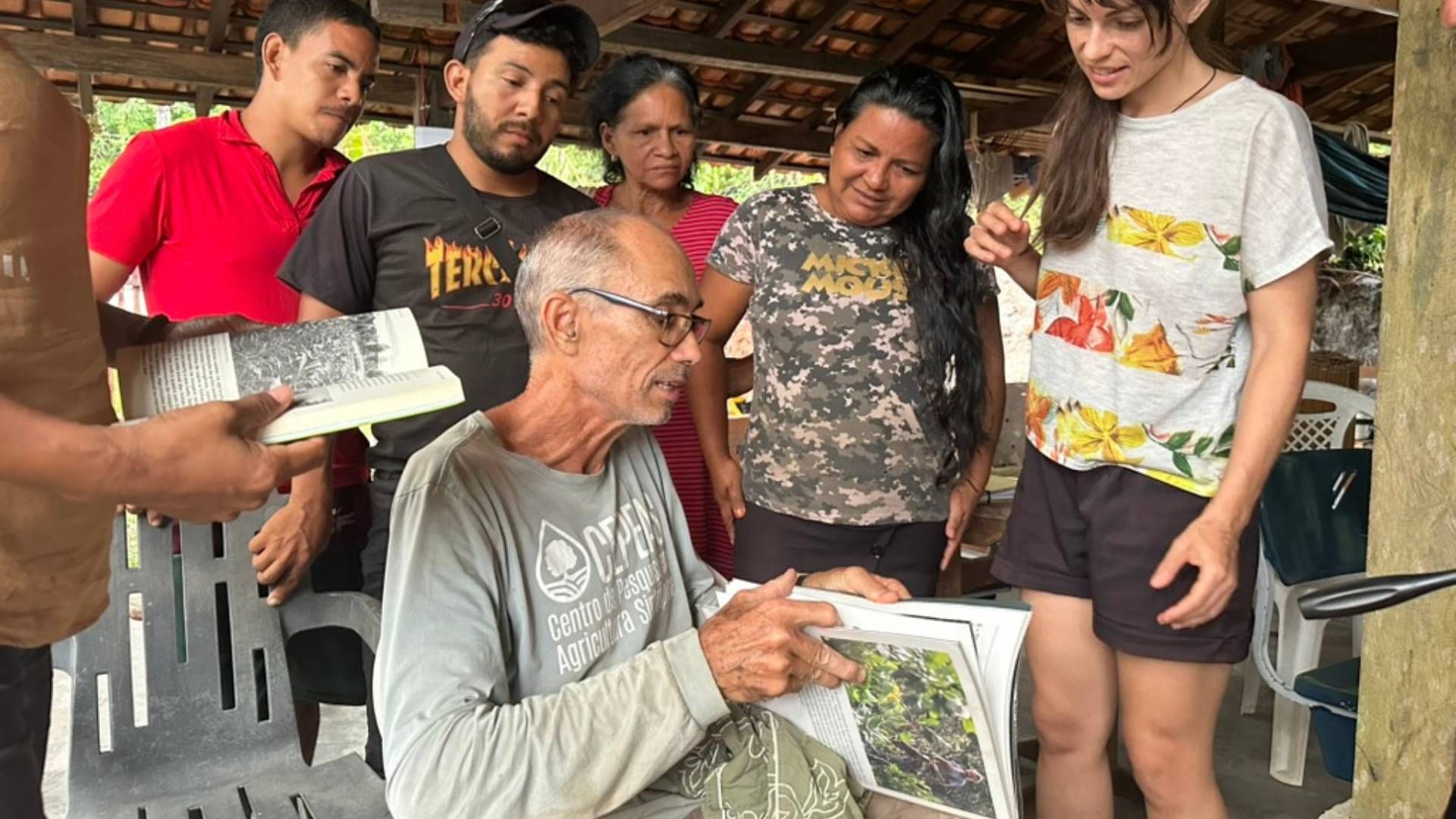
Photo 8: Fernando Rebello, co-founder of Forests4Farming, sharing Forests4Farming Academy materials with participating farmers underscoring knowledge provided by the Academy as a core input.


